The single most valuable document you can produce before a hurricane hits your South Florida home is a documented home inventory. When a claim is filed after a storm — for wind damage, water intrusion, flood, or a total loss — the inventory is what determines how much of your contents get paid out.
Homeowners without inventories consistently receive substantially less than the actual value of what they lost. Homeowners with detailed, dated, and photographed inventories consistently get paid at or near replacement value. The difference on a Cat-3 or Cat-4 hurricane claim can be tens of thousands of dollars.
This guide is a practical, room-by-room checklist for Miami, Fort Lauderdale, Boca Raton, and Palm Beach homeowners to build a defensible pre-storm home inventory. Every June, before the season starts. Every year, updated for new purchases.
Why insurance pays less without an inventory
Contents claim disputes come down to three questions your adjuster will ask. Did the item exist before the loss? Without proof (photo, receipt, inventory), the adjuster can dispute whether the item was even in the home. Homeowners without documentation lose contested items completely. What was its condition? An eight-year-old couch is worth less than a two-year-old couch. Without proof of purchase date, the adjuster defaults to the higher-depreciation assumption. What was it worth? Model numbers, specifications, and receipts determine replacement cost. Without them, the adjuster uses generic pricing that's usually low.
An inventory answers all three questions before the dispute starts. It's leverage.
The 5-minute-per-room framework
You don't need to spend a weekend on this. Five minutes per room is enough for a starter inventory.
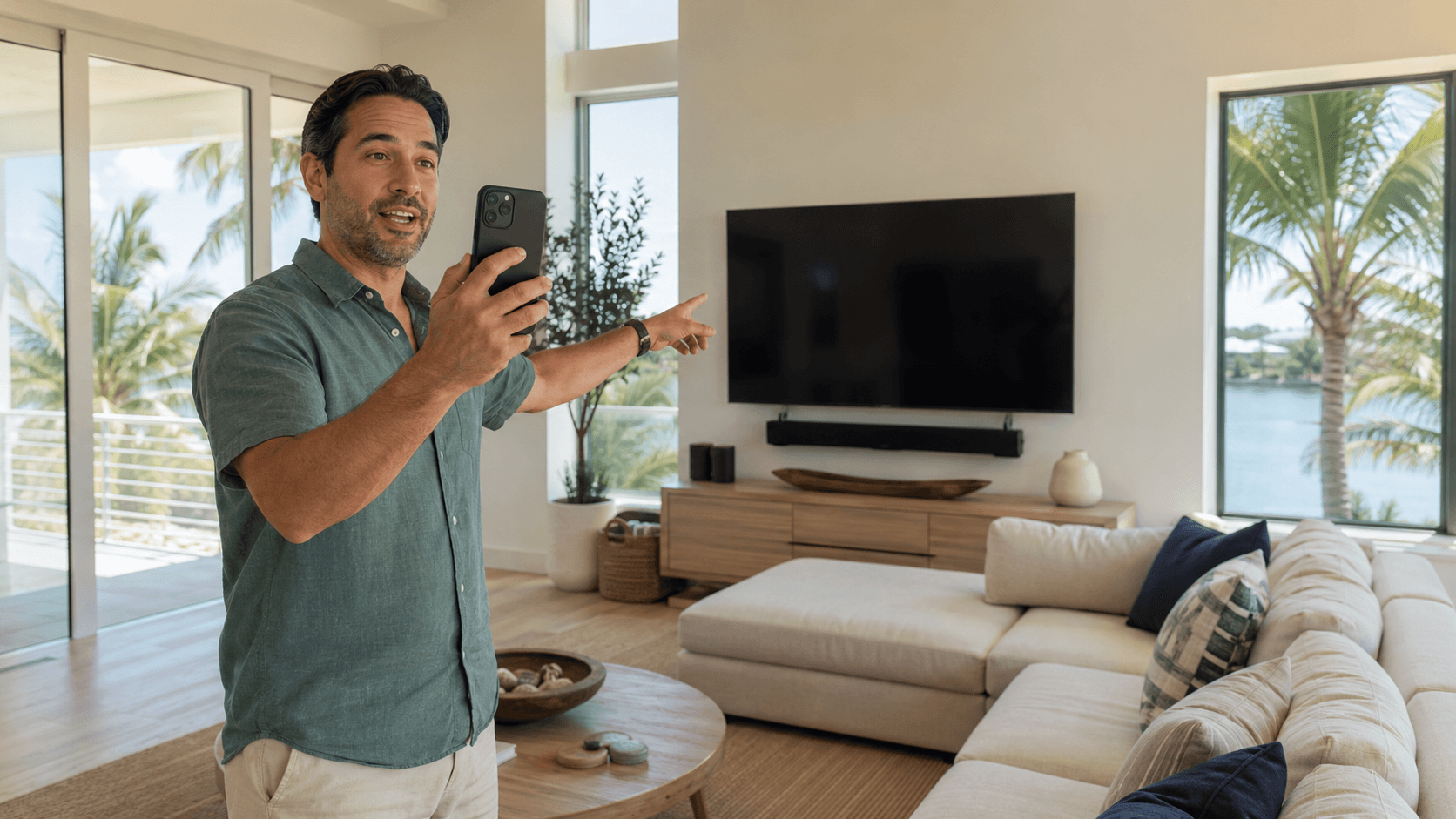
1. Slow video walkthrough (30 seconds): pan the room, open closet doors and drawers as you go, narrate: "Master bedroom. Bed frame, mattress, two nightstands, dresser, TV, jewelry box on the dresser, closet with clothes and shoes." Time-stamped by phone metadata. 2. Wide photo of each wall (30 seconds): four photos capturing everything at eye level. 3. Close-up photos of higher-value items (2 minutes): TV showing model plate, jewelry pieces, watches, artwork with signature, designer items. 4. Serial number photos (2 minutes): TVs, computers, appliances, cameras. Photograph the model/serial plate.
Total per room: 5 minutes. A 10-room home: 50 minutes total. Once a year.
Room-by-room specifics
Living room: sofa/loveseat, coffee table, side tables, area rugs; TV (model, size, mounting); sound system, streaming devices, gaming consoles; artwork (photograph each piece); books and decor.
Kitchen: refrigerator, dishwasher, range, microwave, wine cooler (serial numbers); small appliances (KitchenAid, espresso, blender); cookware; cabinet contents (open cabinets and shoot).
Dining room: table and chairs; china cabinet contents; formal dinnerware and silverware.
Bedrooms: bed frame, mattress, box spring; nightstands, dressers, armoires; bedding sets; TV and small electronics; closet contents.
Bathrooms: vanity, mirrors, fixtures; electronics (hair dryer, straightener); cabinet and drawer contents.
Home office: desk, chair, filing cabinet; computers, monitors, printer, peripherals; business equipment; representative file samples.
Garage: vehicles (documented via auto insurance); tools; yard equipment (mower, edger, blower); sports gear (bicycles, kayaks, golf clubs); seasonal storage.
Attic/storage: what's stored (boxes, luggage, out-of-season items); furniture in storage.
Outdoor: patio furniture, outdoor kitchen; pool equipment, deck items; grill and accessories; landscape features.
High-value items need extra documentation
Any single item over $2,500 needs additional documentation beyond the general inventory: recent appraisal (within 5 years) if over $10K; original receipt or purchase invoice; serial number photo; certificate of authenticity if applicable; insurance scheduling on your policy (separate rider often needed above a certain value).
Homeowners policies typically have sub-limits on jewelry, watches, and other categories. A $50K watch collection may only get $2,500 unless scheduled. Check your policy and add scheduled items where warranted.
Where to store the inventory
The inventory is worthless if it's destroyed in the same event that damages the home. Store in three places: cloud backup (iCloud, Google Drive, Dropbox); email to yourself (a summary + link to the cloud folder); off-site physical copy (USB drive with a friend or family member out of the storm zone, or in a safe deposit box).
Special considerations for South Florida homes
Snowbirds and vacation homes: inventory what stays year-round vs. what travels; consider vacation-rental cycles. Second-home contents insurance: some policies have lower contents limits on second homes. Sub-tropical factors: photograph HVAC equipment (shorter South Florida lifespans); include pool equipment; document impact windows and shutters as improvements. Hurricane-vulnerable items: everything in a garage that could be storm-blown; outdoor patio furniture, kayaks, bicycles that could be washed away.
When to update
Every June (start of hurricane season): annual refresh. After any major purchase over $500: add immediately. After remodels or renovations: re-photograph the updated areas. Before hurricane landfall: if a storm is approaching and you haven't updated in a while, do a quick 30-minute refresh video.
What insurance covers on documented contents
Florida homeowners policies typically cover contents at 50–75% of dwelling coverage (Coverage C), reimburse at replacement cost (RC) or actual cash value (ACV), and have sub-limits on jewelry, watches, art, and business property (typically $2,500–$5,000 unless scheduled). Documented inventory removes disputes about item existence, supports claimed values, enables faster settlement, and is often the difference between full replacement and depreciated payment.
The one-hour weekend that pays for itself
Building a comprehensive inventory takes one to two hours the first time. Each June refresh takes 30 minutes. The payout benefit on a covered event can be $10K, $50K, or $100K+ better than a homeowner without documentation. Every South Florida homeowner should do this. Most don't. The ones who do are protected.
When to call RestoFlo
If a hurricane has already damaged your South Florida home and you're preparing a contents claim, call us. We coordinate with your adjuster on scope, document the damage, work with the pack-out/restoration process, and support your contents-value case with proper documentation of what was found and where. 24/7 emergency line: (754) 289-4815.